

You have decided to invest in ceramic coating for your vehicle. Smart choice. But before that coating goes on, there is a critical step many people overlook: addressing rock chips. Those small paint chips might seem insignificant, but they can undermine your entire ceramic coating investment. Here is why fixing them first is non-negotiable.
The Problem with Rock Chips Under Ceramic Coating
Rock chips expose bare metal or primer beneath your clear coat. When you apply ceramic coating over these chips, you are not protecting the damaged area. You are sealing in the problem. Moisture can still penetrate the chip, causing rust to form underneath the coating where you cannot see it until significant damage has occurred.
Additionally, ceramic coating cannot fill or hide rock chips. The coating is only a few microns thick. It conforms to the surface beneath it, meaning every chip, scratch, and imperfection remains visible. In fact, the enhanced gloss from ceramic coating often makes imperfections more noticeable, not less.
What Happens If You Skip This Step
- • Rust forms under the coating
- • Chips become more visible
- • Coating cannot bond properly at chip edges
- • Future touch-up becomes more difficult
How to Properly Address Rock Chips
Option 1: Professional Touch-Up
For best results, have a professional detailer or body shop perform touch-up work. They can color-match your paint precisely and apply it in thin layers that cure properly. Professional touch-up minimizes the visibility of repairs and creates a smooth surface for coating.
Option 2: DIY Touch-Up Paint
For minor chips, dealer touch-up paint can work. Clean the chip thoroughly, apply thin layers of paint, allow proper curing time between coats, and wet-sand to level with surrounding paint. This requires patience and technique but can produce good results.
Option 3: Paint Protection Film First
For vehicles with extensive rock chip damage, consider paint protection film (PPF) on high-impact areas before ceramic coating. PPF can cover minor imperfections while providing superior protection against future chips.
Pro Tip: Timing Matters
Touch-up paint needs at least 30 days to fully cure before ceramic coating application. Plan accordingly when scheduling your coating appointment.
Our Approach at Sumptuous Mobile Detailing
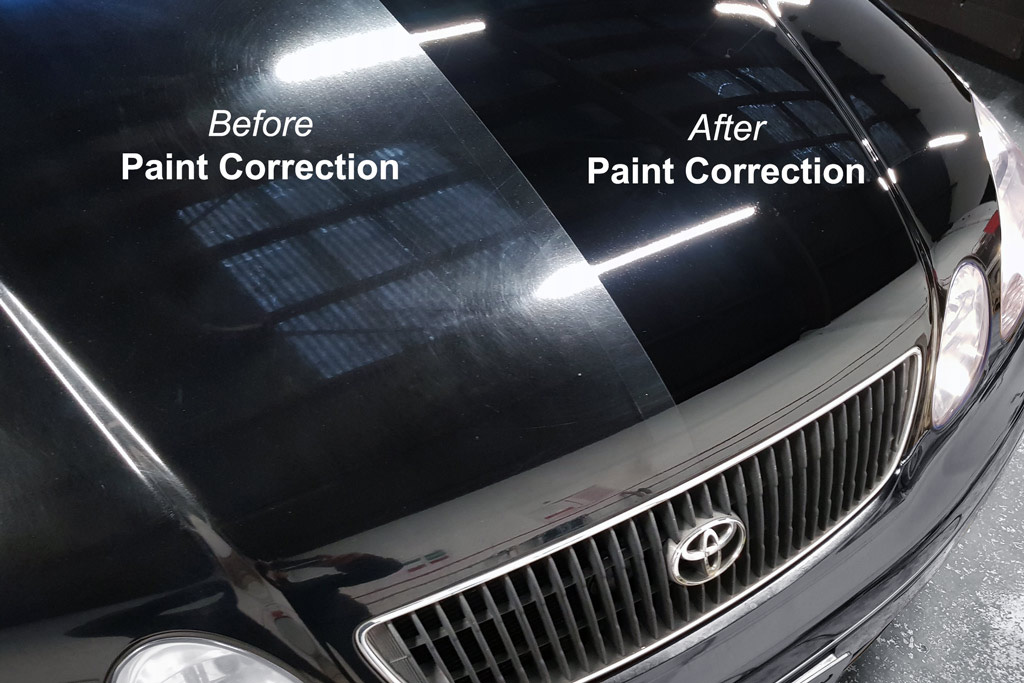
During our pre-coating inspection, we identify all rock chips and discuss options with you. Minor chips can often be addressed as part of our paint correction process. For more significant damage, we will recommend the best repair approach before proceeding with coating.
Our goal is to ensure your ceramic coating delivers maximum protection and appearance. That means addressing every imperfection before the coating goes on, not after.